


Exclusive
Cairns Named in Top 10 Trending Destinations for 2024
Joseph Dominic Romero
Ban Announcement and Implementation
Australia has taken a groundbreaking step by announcing a ban on engineered stone, effective from July 2024 in most states and territories. This decision, made to combat the rise in workers developing the lung disease Silicosis, positions Australia as the first country to implement such a ban.
Concerns Leading to the Ban
Engineered stone, commonly found in Australian bathrooms and kitchens, became a health concern after a significant number of workers developed silicosis. This prompted calls from doctors and workers for its ban over safety concerns. The unanimous agreement among Commonwealth, state, and territory workplace ministers came after a long-awaited meeting.
Transition Period for Existing Contracts
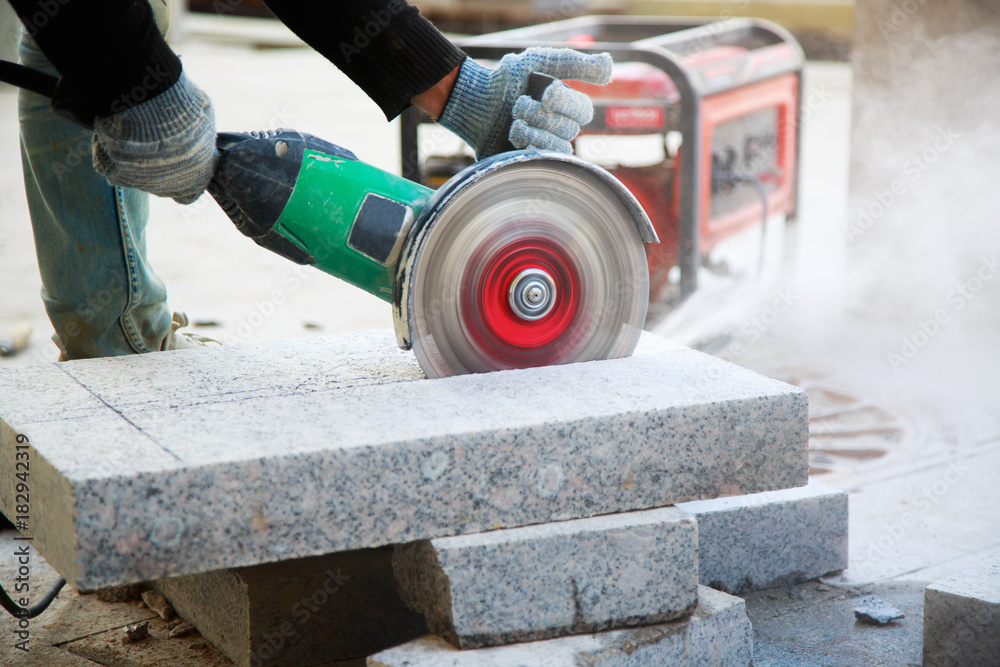
The ministers also agreed on a transition period for contracts involving engineered stone, entered into before the announcement. Specifically, before the ban on engineered stone takes effect, workers and businesses can still use this material, but they must adhere to strict guidelines. The model WHS (Work Health and Safety) Regulations mandate specific measures for anyone engaged in cutting, grinding, trimming, sanding, abrasive polishing, or drilling engineered stone using power tools or mechanical equipment. These measures include:
- Utilizing a water suppression system, commonly known as wet cutting.
- Implementing an on-tool dust extraction system.
- Employing a local exhaust ventilation system.
Furthermore, it’s compulsory to provide all workers who handle engineered stone with respiratory protective equipment, which they must wear during the processing of this material. These regulations are in place to ensure worker safety and health while working with engineered stone.
Import Ban for Added Enforcement
In addition to the domestic ban, the federal government plans to prohibit the import of engineered stone. This measure aims to add an extra layer of enforcement and deterrence at the border. The exact date for this import ban is still pending.
Support from Various Sectors
Trade unions, health organizations, and personal injury law firms have welcomed the ban. They see it as a life-saving measure. The Australian Council of Trade Unions emphasized the need for safer alternatives, questioning the use of a product that endangers workers’ lives.
Manufacturer’s Response
Caesarstone, a major manufacturer of engineered stone, expressed disappointment over the decision. They argue that the focus should be on compliance with safety standards rather than banning a specific product.
Popular since the 2000s in Australia, engineered stone was favored as an affordable alternative to natural materials. However, the rise in lung disease among stonemasons led to increased scrutiny and the eventual ban.
Industry Impacts and Future Directions
While the ban will significantly impact the construction and homebuilding industry, it represents a major shift towards workplace safety. Future meetings will detail the transition period and how the industry can adapt to these changes. Dr. Ryan Hoy, a respiratory physician, calls for proactive measures to prevent work-related diseases, emphasizing the need for broader change in identifying and addressing workplace hazards.
Personal Stories and Broader Consequences
Stonemasons, many young with families, shared their struggles with silicosis, from breathing difficulties to needing lung transplants. The ban is seen as an important step to prevent such tragedies in the future.
Final Details Pending
Workplace ministers will meet again in March 2024 to finalize the transition details. Caesarstone suggests a longer transition period is necessary to minimize industry disruption.
For more detailed information and ongoing updates, please refer to local Australian news sources and government announcements.
Featured Image Source: Adobe Stock
Photo by: Georgii
Editor's Picks


Just in
January 7, 2024
Cairns Named in Top 10 Trending Destinations for 2024January 7, 2024
Australia’s Digital Evolution in 2023