


Exclusive
Cairns Named in Top 10 Trending Destinations for 2024
Joseph Dominic Romero
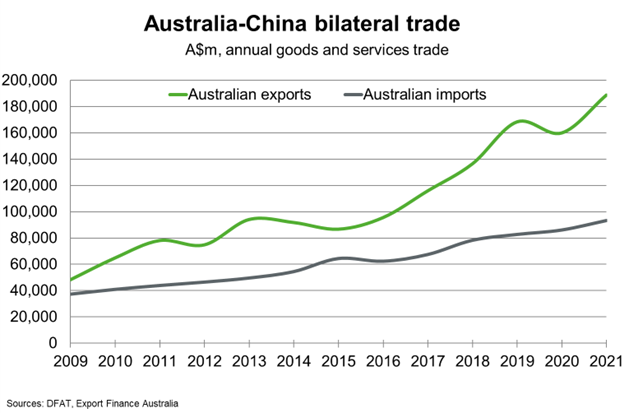
Bilateral Boost: In a significant economic development, China-Australia bilateral trade witnessed a robust 9.8% growth year-on-year in the first 11 months of 2023, reaching 1.464 trillion yuan ($210 billion). This surge, highlighted in data from the General Administration of Customs (GAC), signals an optimistic turnaround in bilateral relations.
A Look Back
The trade conflict between Australia and China is an ongoing issue. While the exact start date is debated, it is widely believed to have begun either in 2017 or 2018.
In the mid-2010s, tensions between China and the Western world, including Australia, escalated. Post-Donald Trump’s election, China ramped up its cyberwarfare, targeting countries like Australia. A significant move came in 2018 when Australia, citing security concerns, barred Chinese telecom giants Huawei and ZTE from providing 5G technology for its new networks.
The situation intensified in 2020 over disagreements about COVID-19. Australian Prime Minister Scott Morrison’s endorsement of an inquiry into the virus’s origins infuriated China. China’s ambassador to Australia, Cheng Jingye, cautioned Australia against pursuing this path, hinting at potential consumer boycotts of Australian products.
Reacting to these developments, China imposed import tariffs on various Australian exports, including agricultural products like barley, beef, cotton, lamb, lobsters, timber, wine, and coal.
Catalyst for Growth
In a surprising move, Australia started repairing relations with China when PM Anthony Albanese met with Chinese president Xi Jinping at the G20 in Bali Indonesia. This positive trend in China-Australia trade continued following meetings between top leaders during Australian Prime Minister Albanese’s visit to China in early November. These high-level dialogues have injected new impetus into the thawing of bilateral relations, with experts citing it as a key factor in the trade rebound.
Recovery of Key Goods
The second half of 2023 saw a revival in the trade of commodities like barley and timber, adding fuel to the trade growth fire. Australian goods exports to China, its largest trading partner, rose by 14.6%, maintaining a consistent double-digit growth since February.
Mutually Beneficial Cooperation
Chen Hong, director of the Australian Studies Center at East China Normal University, emphasized the success of this cooperation. “Numbers don’t lie. These trade figures show the ongoing success of mutually beneficial cooperation,” Chen remarked. He stressed the significance of this achievement, considering the complexities involved.
Stabilizing Economic Relations
Economic and trade relations act as both stabilizers and accelerators in the broader China-Australia relationship. The recent meetings between the countries’ leaders have led to substantial resolutions, particularly in economic and trade issues.
Barley and Coal: Key Commodities
In a notable development, China resumed barley imports from Australia in October, catapulting Australia to the second-largest source of barley imports for China after France. Additionally, trade in coal, a major Australian export, has gained momentum and is set to hit a record high by year-end.
Australian Economy: The Stagflation Challenge
The Australian economy currently faces stagflation challenges, with severe inflation impacting daily life. Chen Hong believes that the warming economic and trade relations with China will play a vital role in boosting Australia’s economy. “Australia needs to cherish the achievements made so far by both parties,” he added.
Festive Season Boost
The approaching New Year and the Chinese Spring Festival are expected to further elevate Australian goods exports to China. This seasonal peak could provide an additional boost to bilateral trade.
Wine and Lobster Trade Negotiations
Negotiations regarding Australian wine and lobster, key issues in trade discussions, are ongoing. Efforts are being made to reach a resolution soon, with expectations that these products will return to Chinese tables during significant festive periods next year.
Conclusion
The resurgence in China-Australia bilateral trade marks a significant turn in their economic relationship. This growth, driven by strategic meetings and the recovery of key goods, is a positive sign for both nations. It highlights the potential for resolving lingering trade issues and underscores the importance of continued collaboration for mutual benefit.
Editor's Picks


Just in
January 7, 2024
Cairns Named in Top 10 Trending Destinations for 2024January 7, 2024
Australia’s Digital Evolution in 2023