

Exclusive
Cairns Named in Top 10 Trending Destinations for 2024
Joseph Dominic Romero
Tasmanian Quality Meats Continues Sheep Export Amidst Tightened Oversight
Tasmanian Quality Meats (TQM), under scrutiny for animal cruelty allegations, has received approval to continue exporting sheep. However, its license to slaughter calves for export has been suspended.
Investigation Following Cruelty Allegations
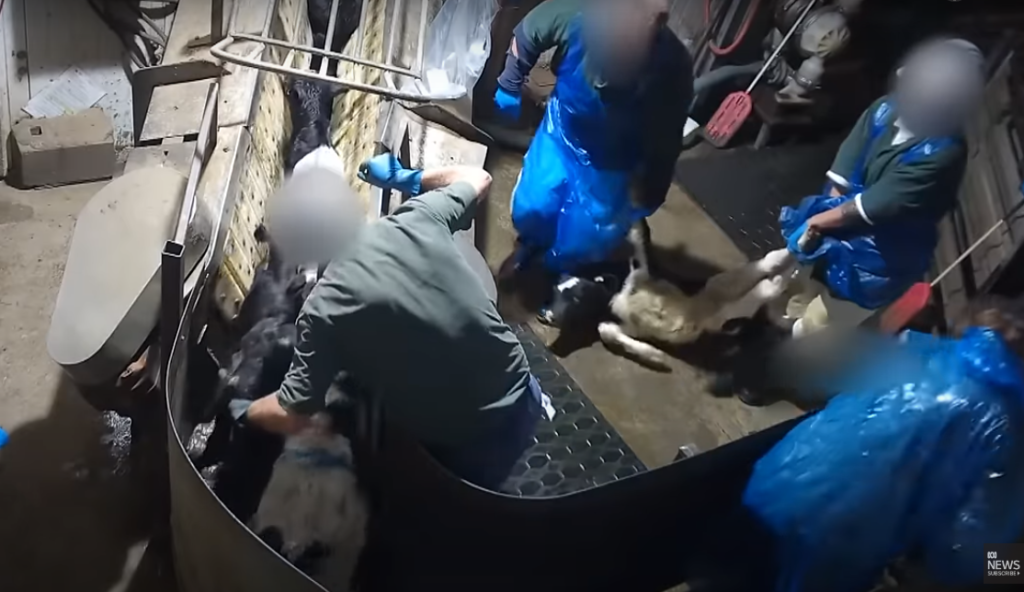
The Cressy slaughterhouse in Tasmania’s north, operated by TQM, became the focus of animal cruelty allegations earlier this month. Activists released footage showing harsh handling and improper stunning of calves and sheep, with many animals appearing conscious at the time of slaughter. The footage sparked widespread condemnation from various sectors, including farmers, activists, politicians, and TQM itself. Jake Oliver, TQM’s owner, described the behavior as “utterly unacceptable”.
Federal Government’s Swift Response
Responding to the crisis, the federal government threatened to suspend TQM’s export license. Recognizing the abattoir’s significance as the state’s largest sheep exporter, the Agriculture, Fisheries and Forestry Department imposed conditions rather than a full suspension. TQM can continue exporting lamb and sheep, but must meet new requirements for bobby calf exports.
New Conditions for Export License
To maintain its license, TQM must appoint an independent animal welfare expert to analyze its practices. The federal government also demands increased CCTV coverage in critical areas of the abattoir. An external animal welfare officer, unaffiliated with TQM, must review the footage daily. Any failures observed must be reported within 24 hours. Additionally, TQM must submit monthly declarations confirming adherence to animal welfare regulations.
Mandatory Equipment Upgrades
TQM’s suspension for bobby calf exports remains until it installs new, suitable equipment for processing them. This equipment must pass inspection by department officers before it can be used for export purposes.
Owner’s Commitment to Compliance
Oliver expressed relief and commitment to meeting all conditions. He acknowledged that TQM’s previous restrainer was inadequate for all animal sizes, prompting voluntary cessation of bobby calf processing. The federal government’s actions formalized this suspension.
Skepticism Over Imposed Conditions
Animals Australia legal counsel, Shatha Hamade, expressed skepticism about the effectiveness of the new conditions. She questioned the independence of monitoring and the ability of the conditions to address the facility’s underlying issues. However, she welcomed the suspension of bobby calf exports, citing the severity of the cruelty witnessed.
Timeline for Compliance and Review
TQM must complete the root cause review by the end of March, with the full report submitted to both the company and the department. The decision affects only TQM’s export registration, leaving decisions regarding domestic meat supply to the Tasmanian government.
Implications for the Industry
The recent allegations against Tasmanian Quality Meats (TQM) regarding animal cruelty and the subsequent government response have significant implications for both the meat processing industry and consumer trust. This situation highlights the growing public and regulatory focus on animal welfare standards in the meat industry. Consumers are increasingly aware and concerned about the ethical treatment of animals, which can influence their purchasing decisions. Incidents like these not only affect the specific companies involved but also shape consumer perceptions of the entire industry, potentially leading to a shift in buying patterns towards more ethically sourced products. The industry may see a rise in demand for transparency and higher welfare standards, which could lead to reforms in animal treatment practices and stricter regulatory oversight. The TQM case serves as a critical reminder of the importance of maintaining high ethical standards in the industry to retain consumer trust and ensure sustainable business practices.
Image Source: ABC News
Editor's Picks


Just in
January 7, 2024
Cairns Named in Top 10 Trending Destinations for 2024January 7, 2024
Australia’s Digital Evolution in 2023