

Exclusive
Cairns Named in Top 10 Trending Destinations for 2024
Joseph Dominic Romero
Yakult Australia Falls Victim to Major Cyber Attack
Yakult Australia, a leading probiotic company, recently suffered a severe cyber attack. This breach led to the publication of sensitive company records and employee documents, including passports, on the dark web.
The Attack’s Details Unveiled
Leak Analysis
Approximately 95GB of data was stolen during the hack in mid-December and later leaked on the dark web. The exact nature and full extent of the data posted online are still unclear.
Company’s Response
Yakult Australia confirmed the cyber incident, affecting their IT systems across Australia and New Zealand. While operations continue, the company is collaborating with cyber incident experts to assess the impact. Yakult Australia is actively working with cybersecurity experts to investigate the incident. David Whatley, Director of Yakult Australia, stated that they first became aware of the cyber incident on December 15 and are still trying to confirm the full extent of the breach.
Nature of the Attack
ABC Investigations understands this incident to be a ransomware attack. In such attacks, hackers typically demand money, threatening to release stolen data if their demands are not met.
The Culprit: DragonForce
The cybercrime actor DragonForce has claimed responsibility for the attack. They threatened to leak 95.19 GB of data and have since published the data, including company databases, contracts, and identity documents like passports. DragonForce is known for attempting to extort victims for payment and then publicly leaking data if their demands are not met.
The group claiming responsibility, DragonForce, is notorious for targeting various entities, from charities to commercial businesses. Their list of victims includes names like Coca-Cola in Singapore and a South Australian bathroom manufacturer.
The Data Breach
Employee Data Compromised
The leaked data encompasses a range of employee details, including scans of passports and drivers licenses, medical assessments, and performance reviews. Notably, at least one passport scan from a warehouse employee and several Japanese passports were identified in the leak.
Database of Names and Addresses
A separate database contains nearly 9,000 names and addresses, raising concerns about potential customer data exposure.
Timeline of the Cyber Attack
- December 15: Yakult Australia becomes aware of the cyber attack.
- December 20: DragonForce lists Yakult as a victim.
- December 25: Stolen data is published on the dark web.
Ongoing Investigations and Reactions
Following the cyber incident, Yakult Australia has notified relevant authorities including the Australian Cyber Security Centre, the New Zealand National Cyber Security Centre, and privacy commissioners in both Australia and New Zealand. The company’s offices in Australia and New Zealand remain operational despite the attack.
Guidance for Affected Individuals
For those potentially affected by the data breach, cybersecurity experts recommend immediate steps. Individuals should monitor their financial accounts for unusual activity, consider credit freezes, and be vigilant against phishing attempts that may use their personal information.
Learning from the Incident
Yakult Australia’s response to the cyber incident provides valuable insights into best practices for handling such crises. Promptly engaging cybersecurity experts, notifying relevant authorities, and maintaining transparent communication with stakeholders are key steps in effectively managing a cyberattack’s aftermath.
Strengthening Cyber Defenses
In the wake of this incident, Yakult Australia and other companies may need to reassess and strengthen their cybersecurity strategies. This includes implementing more stringent data protection measures, regular security audits, and contingency plans for rapid response to future cyber threats.
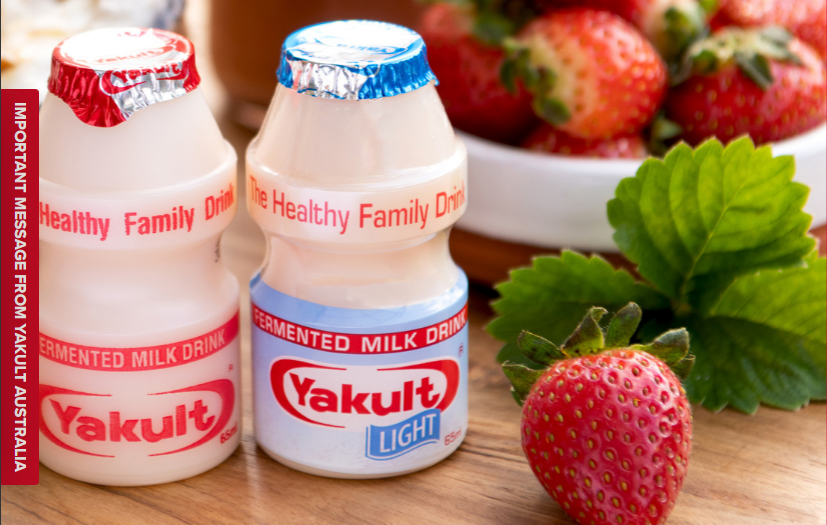
image source: Yakult Australia
Editor's Picks


Just in
January 7, 2024
Cairns Named in Top 10 Trending Destinations for 2024January 7, 2024
Australia’s Digital Evolution in 2023